

Diving into your own inground swimming pool is a classic summer joy. But safe, easy access for everyone needs more than water. A good in-ground pool ladder is key, offering a gateway to fun and relaxation. This guide covers the ladder's role, types, features, safe installation, and maintenance. We'll discuss materials like stainless steel, safety features like non-slip steps, and step-by-step installation. Since about 8% of U.S. homes have pools [2], choosing the right ladder is important. Let's dive in!
Why a Quality In-Ground Pool Ladder Matters
A well-chosen in-ground pool ladder is more than just a functional necessity; it's an investment in safety, convenience, and the overall enjoyment of your swimming pool.
Enhancing Pool Access and Convenience
Getting in and out of an inground pool is hard without a proper ladder, especially for kids, older people, or those with mobility issues. A sturdy ladder offers safe, easy entry and exit for all ages. For example, older people can enjoy aquatic exercise using ladders with wide handrails and non-slip steps, helping them join in safely. A community pool that added wider ladders saw more older people join water aerobics classes.
Prioritizing Safety for All Swimmers
Safety is key for swimming pools. In-ground pool ladders provide safe, easy access, reducing injury risks from slips and falls [3, 4]. Non-slip steps, strong handrails, and secure anchoring create a safe environment and peace of mind. An estimated 6,300 children under 15 were treated yearly for nonfatal pool or spa injuries from 2022-2024 [1]. Properly anchored ladders with strong handrails can cut these risks. The Consumer Product Safety Commission found many pool injuries come from unsafe access points [7].
Elevating Your Pool's Aesthetics
Beyond functionality and safety, an in-ground pool ladder can also enhance the overall aesthetic appeal of your pool area. A sleek stainless steel ladder, for instance, can add a touch of elegance and modernity, seamlessly integrating with the surrounding landscape. Choosing a ladder that complements your pool's design and backyard décor elevates the entire pool experience. Imagine a minimalist, modern pool design paired with a brushed stainless steel ladder – the combination enhances the overall aesthetic. Conversely, a more traditional pool might benefit from a classic A-frame ladder with decorative accents.
Understanding the Different Types of In-Ground Pool Ladders
The Swimming Pool Market Industry is expected to grow substantially in the coming years [5], and with this growth comes a wider variety of pool ladder options. Understanding the different types available will help you select the perfect fit for your specific needs.
Traditional In-Ground Pool Ladders (e.g., Stainless Steel)
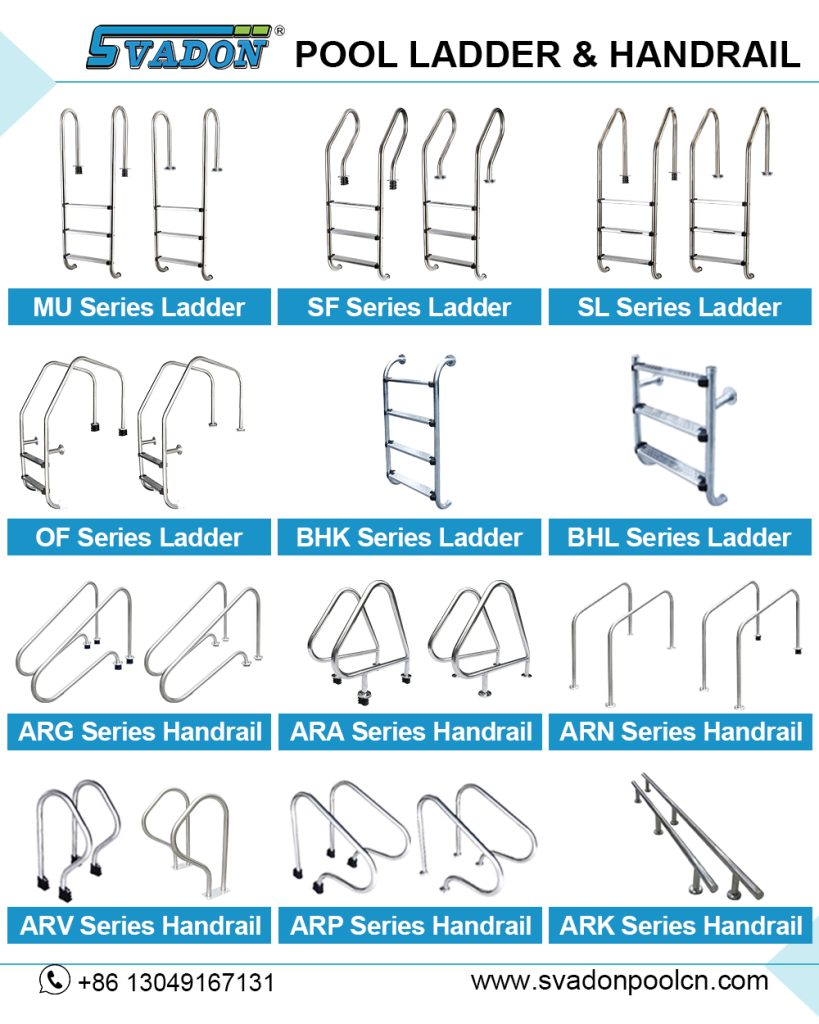
Traditional in-ground pool ladders are typically made of stainless steel, prized for its durability and resistance to corrosion. These ladders come in various configurations, including 2-step, 3-step, 4-step, and 5-step versions, allowing you to choose the appropriate height for your pool. The classic A-frame design offers stability and is a familiar sight in many backyards. Choosing the correct number of steps is crucial, as a ladder that's too short can make entry and exit difficult, while one that's too tall can be a safety hazard.
In-Ground Pool Steps (Integrated vs. Add-on)
In-ground pool steps offer a more gradual and comfortable entry and exit compared to traditional ladders. Integrated steps are built into the pool structure during construction, while add-on steps can be retrofitted to existing pools. These provide a wider, more stable surface for entering and exiting, making them ideal for families with young children or older adults. Integrated steps offer a seamless look, while add-on steps provide flexibility for existing pools. For example, a family with toddlers might prefer the gradual incline and wide surface of integrated steps.
Specialized or Niche Ladder Designs (briefly, if relevant)
Beyond traditional and integrated steps, there are specialized ladder designs, such as pop-up ladders, which are designed to be recessed into the pool deck when not in use, offering a clean, unobtrusive look. Other styles like the Retro Racer ladder, with its vintage aesthetic, cater to specific design preferences. For example, a homeowner seeking a minimalist pool design might opt for a pop-up ladder for its discreet profile. Alternatively, someone restoring a vintage home might choose a Retro Racer ladder to complement the architectural style. These specialized ladders offer bespoke solutions for unique design requirements.
Key Features to Look For in the Best In-Ground Pool Ladders
Selecting the right in-ground pool ladder involves considering several key features that impact safety, durability, and ease of use.
Material: Durability and Corrosion Resistance
Material choice is paramount. Stainless steel, particularly 304 or the superior marine-grade 316 stainless steel, is the industry standard for inground pool ladders. Marine grade stainless steel resists rust from pool chemicals and bad weather. This makes it last a long time. While other materials like plastic or resin exist, stainless steel remains the preferred choice for its strength and durability. Buying 316 stainless steel may cost more at first. However, it saves money over time by needing fewer replacements due to rust. This is especially true in coastal areas with salty air.
Tread Design for Safety and Comfort
Non-slip steps are essential for preventing accidents. Look for ladders with textured treads, integrated anti-skid pedals, or treads made from materials like Cycolac, known for its slip resistance. Adequate step depth and width contribute to comfortable and secure footing. For example, deeply grooved treads provide superior grip even when wet, minimizing the risk of slipping. A wider tread also provides more surface area for the foot, enhancing stability, especially for those with balance issues. Some manufacturers even offer treads with a slightly concave design to further enhance grip and prevent foot slippage.
Handrail Design and Ergonomics
Ergonomically designed handrails provide a secure and comfortable grip, crucial for safe entry and exit. Look for handrails made of sturdy materials with a non-slip surface. The angle and spacing of the handrails should accommodate users of different heights and abilities. Handrails should be wide enough to accommodate a comfortable grip and positioned at a height that allows for natural arm movement during entry and exit. Curved handrails can provide a more ergonomic grip compared to straight ones, reducing strain on the wrists and providing additional support.
Anchoring Systems: Securing Your Ladder
Secure anchoring is fundamental to ladder stability. Ladder anchors, embedded in the pool deck, or deck anchors attached to the pool's coping, ensure the ladder stays firmly in place, preventing wobbling or movement during use. A solid, wobble-free ladder significantly enhances user confidence and safety. For example, concrete anchors provide exceptional stability for ladders installed in concrete decks. Deck anchors, on the other hand, offer a secure solution for decks made of wood or composite materials. Always ensure the anchors are compatible with your deck material and installed according to the manufacturer's specifications.
Ease of Entry and Exit
Consider the ease of entry and exit, particularly for children and older people. Ladders with wider steps, strategically placed handrails, and a gentle slope offer more comfortable and accessible entry and exit points. For example, a ladder with a shallower angle of entry can be easier for older people with mobility issues to navigate. A wider spacing between steps can also make it easier for individuals with longer legs to comfortably use the ladder. A pool owner who wants better access might pick a ladder with wider steps. They might also choose handrails in good spots and a gentler slope. This makes it easier for everyone to use.
Safety First: Essential Safety Considerations for In-Ground Pool Ladders
Safety should always be the top priority. From 2022-2024, 73% of children treated for pool-related nonfatal drowning injuries were under 5 [3], emphasizing the need for careful consideration of safety features.
Secure Anchoring and Overall Stability
You must secure the anchors firmly. Loose or improperly installed ladders can lead to dangerous accidents. Ensure the ladder is firmly anchored to the deck or ground, preventing any movement or instability during use. Regularly inspect the anchors for signs of looseness or corrosion, especially after periods of heavy use or harsh weather. Tightening loose bolts or replacing damaged anchors promptly can prevent accidents. A pool inspection company studied accidents. They found many ladder accidents happened because anchors were loose or installed wrong.
Slip Resistance: Beyond Just the Treads
Slip resistance goes beyond just the treads. Handrails should also feature non-slip surfaces, and consider using non-slip mats around the ladder area to minimize the risk of slips and falls on wet surfaces. Applying a non-slip coating to the deck surrounding the ladder can further enhance safety, especially in areas prone to water splashing. Regularly cleaning the non-slip surfaces on both the ladder and the surrounding deck can prevent the buildup of algae or other slippery substances, ensuring optimal traction.
Protecting Your Pool Liner: The Role of Bumpers
Rubber ladder bumpers play a vital role in protecting your pool liner from damage. These bumpers act as a cushion between the ladder and the liner, preventing scratches, tears, and other wear and tear caused by friction. Regularly inspect and replace worn or damaged bumpers to maintain liner protection. Using bumpers made of high-quality, UV-resistant rubber can prolong their lifespan and provide superior protection against liner damage. For example, thicker bumpers can offer increased protection for liners in high-traffic areas.
Weight Limits and User Safety
Every ladder has a weight limit. Ensure the ladder you choose can safely accommodate the weight of all potential users. Clearly communicate the weight limit to everyone using the pool. Consult the manufacturer's specifications for the weight capacity of the ladder and avoid exceeding this limit. Displaying the weight limit near the ladder can serve as a constant reminder to users. A homeowner hosting a pool party should be mindful of the ladder's weight capacity to prevent accidents.
Visibility and Access for All Ages and Abilities
Visibility and access are crucial. Ladders should be clearly visible, and the surrounding area should be well-lit, especially at night. Choose a ladder that is easy for all ages and abilities to use, including children, older people, and individuals with mobility limitations. Installing underwater pool lights can improve ladder visibility at night, enhancing safety for nighttime swimmers. Adding handrails that go into the water gives extra support. This helps people get in and out of the pool, especially those with movement problems. A pool designer working with a client with specific accessibility needs might recommend a ladder with wider treads, handrails at various heights, and underwater lighting.
The In-Ground Pool Ladder Installation Guide: A Step-by-Step Approach
Proper installation is essential for safety
U.S. CPSC 2025 Pool and Spa Drowning Report
[1] U.S. CPSC, 2025 (2025). https://www.cpsc.gov/s3fs-public/Pool-or-Spa-Submersion-Estimated-Nonfatal-Drowning-Injuries-and-Reported-Drownings-2025-Report.pdf
[2] RenoSys and RubyHome, 2025 (2025). https://www.rubyhome.com/blog/swimming-pool-stats/
[3] U.S. CPSC, 2025 (2025). https://www.cpsc.gov/s3fs-public/Pool-or-Spa-Submersion-Estimated-Nonfatal-Drowning-Injuries-and-Reported-Drownings-2025-Report.pdf
[5] Spherical Insights, 2025 (2025). https://www.marketresearchfuture.com/reports/swimming-pool-market-27217
[7] RubyHome, 2025 (2025). https://www.rubyhome.com/blog/swimming-pool-stats/