

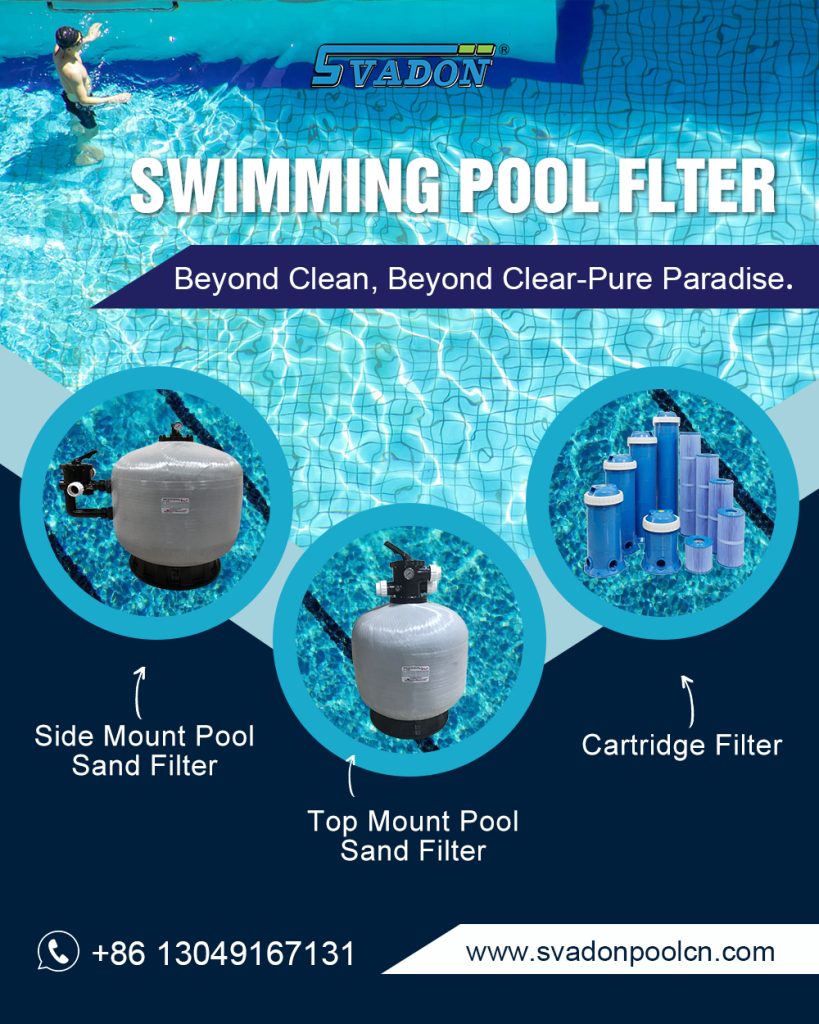
As summer approaches and the lure of swimming pools beckons, ensuring your pool is pristine becomes paramount. Sand pool filters are often hailed as a cornerstone for maintaining large inground pools, celebrated for their effectiveness and ease of use.
Understanding how these filters function, their benefits, and how to choose the right one is essential for any pool owner aiming for crystal-clear waters. This article looks at sand filters and different filter media. It helps you make a smart choice.
Join us to learn about sand pool filters. We will cover care tips and maker advice. This helps keep your pool clean all season.
Understanding Sand Filters: Anatomy and Functionality
Sand filters play a crucial role in pool maintenance. They consist of a tank filled with sand, connecting to the pool's filtration system. As water flows through, the sand captures debris effectively. Typically, these filters use silica sand, known for its porous nature. This design provides ample surface area for trapping impurities.
Key Features of Sand Filters:
- Debris Capture: Efficiently filters debris as small as 20 microns.
- Silica Sand: Offers a large, porous area for impurity retention.
- Maintenance: Requires regular backwash and rinse cycles to clear contaminants.
Sand filters stand out for several reasons:
- Affordability
- Durability
- Low Maintenance
Below is a simple comparison with other filter types:
| Feature | Sand Filters | Other Filters |
|---|---|---|
| Cost | Lower | Higher |
| Maintenance | Low | Varies |
| Longevity | High | Depends on type |
In essence, sand filters provide a reliable, cost-effective solution for pool water purification, ensuring crystal-clear water with minimal effort.
Benefits of Sand Filters: Cost-Effectiveness and Maintenance Ease
Sand filters are a popular choice for maintaining clean swimming pools due to their cost-effectiveness and low maintenance needs. Here's why they stand out:
Cost-Effectiveness
- Prices for sand filters range from $450 to $1,200, making them an affordable option for large inground pools.
- Replacement sand costs between $18-$30 per 50-pound bag.
- Pool filter sand can last up to five years, offering long-term savings.
Maintenance Ease
- Sand filters are built to last and require minimal upkeep.
- Their efficient design lets them handle large water volumes fast. This lowers operational stress.
- The sand used within requires replacement only every few years, cutting back on maintenance time.
Here's a quick overview:
| Feature | Details |
|---|---|
| Initial Cost | $450-$1,200 |
| Replacement Sand | $18-$30 per 50-pound bag |
| Sand Longevity | Up to five years |
| Maintenance Needs | Minimal, due to efficient design |
Choosing a sand filter for your pool can lead to significant savings and less hassle, keeping your swimming experience enjoyable and stress-free.
How Sand Filters Work: Backwashing and Cleaning Processes
Sand pool filters are a vital part of your pool’s cleanliness. They work by circulating water through sand media, capturing particles as small as 20 microns. This process keeps your pool clear of dirt, debris, and waste materials. Dirt builds up over time. So, cleaning often is needed.
Backwashing is the key process for maintaining your sand filter. During this process, water enters the filter through laterals located at the bottom. It then moves upwards, lifting the trapped debris until it exits at the top and is discarded as waste. Backwashing is quick, usually taking just a few minutes, and requires minimal effort.
The Benefits of a Sand Filter:
- Captures particles as small as 20 microns.
- The filter uses silica sand for the best cleaning.
- Requires minimal manual effort to clean.
Backwashing Steps:
- Turn off the pool pump.
- Set the filter valve to 'backwash.'
- Restart the pump and let it run for several minutes.
- Turn off the pump, set the valve to 'rinse,' and restart for a short cycle.
- Start normal filtration again.
Keeping these steps in mind will ensure your sand filter operates efficiently, providing you with a clean and enjoyable pool experience.
Comparing Filter Media: Zeolite vs. Glass Sand
When comparing the filter media options for sand pool filters, zeolite and glass sand stand out. Both serve as alternatives to traditional sand but offer unique benefits.
Zeolite Sand:
- Filtering Ability: Superior
- Lifespan: 3 to 5 years
- Maintenance: Requires regular upkeep
Glass Sand:
- Made From: Crushed recycled glass
- Filtering Ability: Finer filtration
- Lifespan: Over 7 years
- Properties: Lighter and less abrasive
Glass sand tends to cause less wear on the filter system, making it a popular choice for those looking to extend the lifespan of their pool equipment. Meanwhile, zeolite is praised for its excellent filtering ability and effective performance for up to five years with proper care.
Both media types need regular care and replacement. This keeps their filtering working well. Choosing between zeolite and glass sand depends on your specific needs and the importance you place on factors like lifespan and filtering quality.
Types and Sizes of Sand Filters for Various Pool Needs
Sand filters are popular and cost less for many pool types like fiberglass, concrete, and vinyl liner pools. They use silica sand or glass to capture debris particles as small as 20 microns, efficiently purifying the pool water. When choosing a sand filter, it’s essential to match the filter size to your pool’s volume to ensure optimal performance.
Filter Size Recommendations:
- Up to 20,000 gallons: Typically, a 24-inch diameter sand filter is required.
- 20,000 to 30,000 gallons: A 24 to 30-inch diameter filter is recommended.
Do not use a sand filter that is too small. This stops overloading and keeps filtration effective. Larger filters may work more efficiently by prolonging the time between necessary cleanings.
Benefits of Sand Filters:
- Cost-effective
- Low maintenance
- Capable of filtering small particles
Selecting the right filter size ensures clean, clear water and reduces the stress on your pool system. Remember to pair your sand filter with appropriate pool fittings and accessories for optimal results.
Maintenance Tips: Extending Sand Filter Lifespan
To keep your sand pool filter running efficiently and extend its lifespan, regular maintenance is crucial. Here are some key tips:
- Backwashing: Regularly backwash your sand filter to keep it efficient. This process helps remove debris and cleans the filter system.
- Sand Replacement: Over time, sand granules become smoother and less effective. Replace the sand every 5-7 years for optimal performance.
- Inspection of Parts: Periodically check for worn-out parts like valves and gaskets. Replace them as needed to prevent issues and ensure longevity.
- Routine Cleaning: Clean the sand filter regularly to prevent clogging. This helps it handle large volumes of water effectively.
- Monitoring Filtration: Keep an eye on filtration efficiency. Reduced performance often signals the need for sand replacement or other maintenance.
Here's a simple maintenance checklist:
- Backwash regularly
- Replace sand every 5-7 years
- Inspect and replace parts like valves and gaskets
- Clean filter systems to prevent clogging
Following these tips will help you protect your sand pool filter, ensuring clear and clean water for your pool.
Evaluating Pool Type and Usage for the Right Filter Choice
Evaluating the right sand pool filter involves understanding your pool type and usage. Whether your pool is inground or above ground, match the filter size to the pool. This helps filtering work well. Here’s what to consider:
- Pool Type:
- Inground Pools: Suitable for sand filters if the filter size is correct.
- Above-Ground Pools: Commonly use sand filter systems, ideal for soft side or rolled wall types.
- Filter Size:
- Always opt for a larger filter size to prevent system overload and maintain efficiency.
- Optimal Performance:
- Choosing the right size ensures your pool stays clean and clear.
| Pool Type | Recommended Filter System |
|---|---|
| Fiberglass | Sand Filter |
| Concrete | Sand Filter |
| Vinyl Liner | Sand Filter |
| Above-Ground | Sand Filter |
Select wisely and your pool, whether it’s a quiet retreat or a bustling family hub, will function smoothly and stay inviting.
Manufacturer Recommendations: Ensuring Optimal Filtration
Manufacturers like Pentair and Hayward offer various sand pool filters tailored for large inground pools. These systems include different sizes and two types of mounts: top mount and side mount. Each maker gives specific advice for best care.
Key Models and Features
| Manufacturer | Models | Features |
|---|---|---|
| Hayward | Pro Series | Top mount, side mount options |
| Pentair | Triton II, Sand Dollar | Quality, performance-focused |
Maintenance Tips
- Backwashing: Regularly backwash to remove debris and restore efficiency.
- Rinsing: Follow up with rinsing after backwashing to cleanse the system.
- Multiport Valves: Use multiport valves for easy operation during maintenance.
With regular care, these filters will maintain peak efficiency. Proper maintenance not only extends the lifespan of the filter but also ensures your pool water remains clean and clear. If you want more pool items, try spa parts, heat exchangers, or underwater lights.
Alternatives to Sand Filters: D.E. and Cartridge Comparisons
When choosing a pool filter, it's essential to understand your options. Alternatives to sand filters, such as cartridge and diatomaceous earth (D.E.) filters, offer distinct advantages.
- Greater efficiency in removing impurities.
- Capture smaller particles, putting less strain on the pool pump.
- Easy maintenance; no backwashing needed.
- Convenient cleaning with a water hose.
Diatomaceous Earth (D.E.) Filters
- Superior ability to trap fine particles.
- Keeps water crystal clear.
- Sand filters need special maintenance steps.
Cartridge and D.E. filters usually cost more than sand filters. They often give better water clarity and work better. These alternatives do not need sand, silica, or zeolite. They reduce handling of harmful materials.
Here's a quick comparison:
| Feature | Sand Filters | Cartridge Filters | D.E. Filters |
|---|---|---|---|
| Cost | Low | Medium | High |
| Maintenance | High | Low | Medium |
| Particle Removal | Medium | High | Very High |
Choose the filter that best suits your pool's needs for clear, healthy water.
Conclusion: Achieving Efficient Filtration and Water Clarity
Sand pool filters are a practical choice for maintaining clear pool water. These filters use sand to trap particles and debris, helping keep your pool free from impurities. Sand is replaced every 3 to 5 years, making this a cost-effective option.
Although sand filters efficiently remove larger debris, they're less effective at catching very small particles like dust. To ensure optimal performance, regular cleaning of the sand is necessary. This prevents clogging and maintains efficient filtration.
Overall, sand pool filters cost less and need little care. They strike a balance between cost and functionality, making them a popular choice for pool owners. To sum up, if you're looking for a reliable way to maintain water clarity, a sand pool filter is a choice worth considering.
Key Points:
- Affordable and long-lasting: Replace sand every 3-5 years.
- Efficiency: Effective for larger debris, less so for fine particles.
- Maintenance: Regular cleaning is essential.
- Overall: A practical, cost-effective filtration solution for clear pool water.