

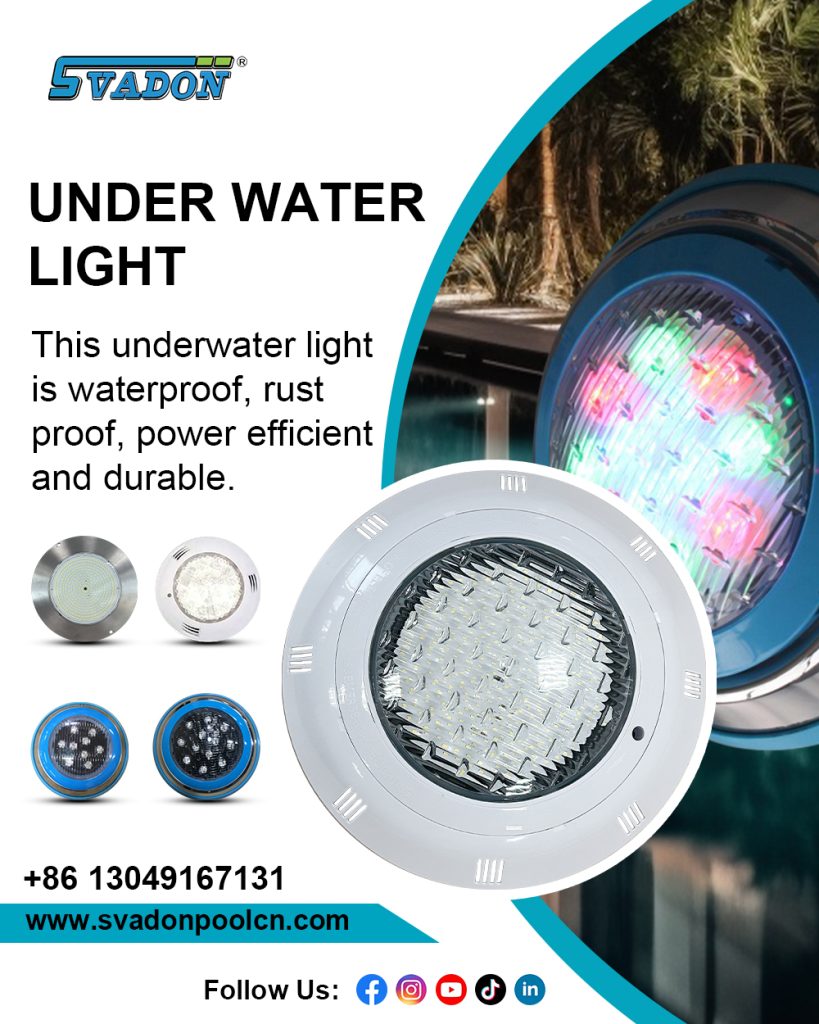
The right illumination can transform a swimming pool from a simple recreational feature into a stunning backyard centerpiece. Modern pool lighting does more than just enhance safety for nighttime swims; it creates ambiance, highlights architectural details, and elevates the entire outdoor living experience. As technology improved, LED lights became the best choice for new and upgraded pools. They offer unmatched efficiency, long life, and creative options. This guide provides a comprehensive overview for homeowners looking to understand, select, install, and ultimately maximize the value of their investment in pool LED lights. We will explore the core advantages of this technology, navigate the selection process, demystify installation, and offer strategies for getting the most out of your enlightened aquatic space.
The Evolution of Pool Lighting: From Incandescent to LED
For decades, the standard for underwater illumination was the incandescent light. These bulbs, similar to traditional household lights, worked by heating a filament until it glowed. While functional, incandescent lights were notoriously inefficient, converting a large portion of their energy into heat rather than light. They also had a limited lifespan, requiring frequent and often difficult replacement. LED technology changed pool lighting. It offers a stronger, more efficient, and more flexible option. LED lights have become the industry standard.
Why Modern Pools Choose LED Technology: An Overview
The widespread adoption of LED pool lights is driven by a clear set of advantages over older technologies. LEDs generate light through a semiconductor, a process that is significantly more efficient and produces far less heat. This fundamental difference results in dramatic energy savings, a much longer operational life, and superior light quality. LEDs are small and flexible. This has opened many design options. These include bright, color-changing lights and advanced control systems. Such features were not possible with simple incandescent lights.
The Core Advantages of LED Pool Lighting
Choosing LED technology for your swimming pool is a decision supported by four key pillars: efficiency, longevity, aesthetics, and performance. Together, these benefits provide a compelling case for why LEDs are not just an upgrade, but a smart, long-term investment.
Energy Efficiency and Cost Savings: Lower Operating Expenses and ROI
The most significant advantage of LED pool lights is their exceptional energy efficiency. LEDs consume a fraction of the power required by traditional bulbs. According to PoolDrs.com, LED pool lights can use up to 87% less energy than their incandescent counterparts. An older 300-watt incandescent light can often be replaced by an LED equivalent that uses as little as 42 watts while producing comparable or superior brightness. LED lights use much less energy. This lowers your monthly electricity bills. Over time, you can recover the initial cost through these savings.
Extended Lifespan and Durability: Reducing Maintenance and Replacement Frequency
Durability is another hallmark of LED technology. Unlike fragile incandescent filaments, LEDs are solid-state devices resistant to shock and vibration. Their operational lifespan is vastly superior; a well-made LED pool light can last for 20,000 to 30,000 hours or more, compared to just a few thousand hours for an incandescent bulb. This extended life, as noted by Emerging Market Insights, significantly reduces the frequency of replacement, saving homeowners the cost and inconvenience of changing out underwater fixtures. This reliability makes LED pool lights a low-maintenance component of your overall pool equipment.
Enhanced Aesthetics and Ambiance: Creating Desired Moods and Visual Appeal
Beyond practical benefits, LED pool lights offer unmatched aesthetic control. Homeowners can choose from a simple, elegant white LED or opt for dynamic multi-color lighting systems. An RGB light fixture can produce millions of different hues, allowing for custom light shows and scenes to match any mood or occasion, from a tranquil blue for a relaxing evening to a vibrant display for a party. Advanced systems from companies like Pentair and Jandy offer pre-set light shows. They also let you create and save your own color patterns. Examples include IntelliBrite® and GloBrite® Color Changing LED Lights from Pentair and Infinite WaterColors from Jandy.
Superior Performance and Safety: Brighter Light, Even Diffusion, and Improved Visibility
Modern LED pool lights produce a brighter, cleaner light that improves underwater visibility and enhances safety. The light is often more evenly diffused throughout the pool, eliminating the "hot spots" common with older incandescent lights. This improved illumination makes it easier to see the pool floor and walls, ensuring a safer environment for swimmers after dark. The crisp quality of the light also accentuates the color of the water and the pool's interior finish, bringing the entire space to life.
Choosing the Right LED Pool Lights: A Comprehensive Selection Guide
With a clear understanding of the benefits, the next step is selecting the right LED lights for your specific needs. This involves considering the type of technology, compatibility with your pool's design, key features, and your budget.
Understanding LED Light Types and Technologies
The market offers several types of LED pool lights. For white light, you can choose between a classic, bright White LED or a softer, more traditional warm white tone, depending on the desired ambiance. For dynamic visuals, Color Changing or RGB light systems provide a full spectrum of Led colour options. You can find special fixtures like LED spotlights to highlight features. There are also systems like Pentair’s ColorVision® Bubbler and MagicStream® Laminars. These combine light with water movement to create dramatic effects.
Design and Installation Compatibility
Compatibility is very important. For existing inground pools, you’ll need to determine if you have a standard niche for a traditional light fixture or if you require a retrofit Pool Light Bulb. For new construction or major renovations, nicheless pool lights are an excellent option. These compact, surface-mounted lights are easier to install and offer a sleek, modern look. It's also important to ensure the chosen light is compatible with your pool’s construction material, whether it's concrete, vinyl, or fiberglass.
Key Features and Specifications to Consider
When comparing models, look at key specifications like lumen output (a measure of brightness), wattage (energy consumption), and voltage (typically 12V or 120V). A 12V system is generally considered safer for underwater applications and is the modern standard, but it requires a transformer. Control options are also a major consideration. Basic systems use a standard wall switch. Advanced setups have a remote control or connect to a pool automation system. They use controllers like the Pentair Color Sync™ Controller for easy operation.
Budgeting for Your Pool LED Lights: Beyond the Initial Price Tag
While LED lights have a higher upfront cost, it's essential to consider the total cost of ownership. According to WAKING Lighting, LED pool lights can be two to three times more expensive than halogen equivalents initially. However, this cost is offset by significant long-term savings in energy consumption and reduced replacement frequency. When budgeting, factor in not just the price of the light itself but also potential installation costs and any necessary accessories like transformers or controllers.
The Installation Process: A Practical Guide for Homeowners
Proper installation is critical for the safety, performance, and longevity of your pool lighting system. While some aspects can be handled by a confident DIYer, working with electricity and water demands caution and expertise.
Pre-Installation Safety and Compatibility Checks
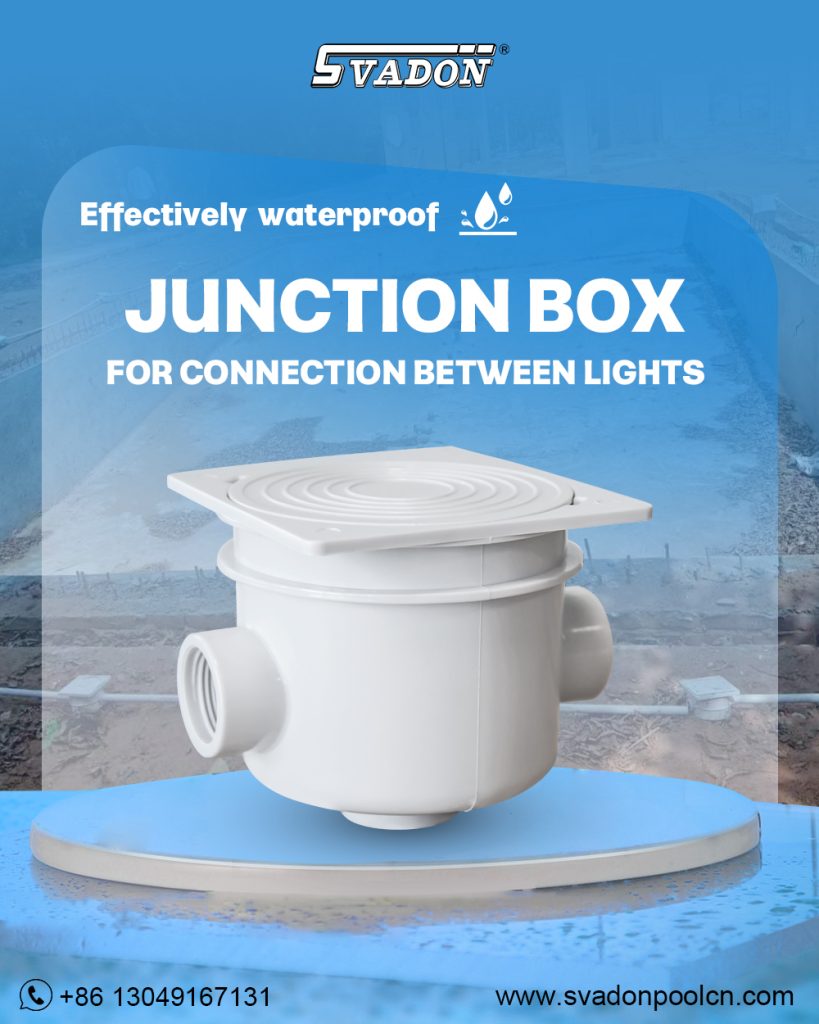
Before beginning, ensure all power to the pool equipment is turned off at the circuit breaker. Verify that the new light is compatible with your pool's niche and voltage. The electrical line for the light should run through a conduit to a waterproof junction box located a safe distance from the pool's edge, as required by local electrical codes. Gather all necessary tools, including screwdrivers, wire strippers, and conduit sealant.
Installation Methods: DIY vs. Professional Expertise
Replacing an existing pool light can sometimes be a straightforward DIY project, especially with modern retrofit kits designed for easy installation. The process typically involves pulling the old fixture onto the pool deck, disconnecting the wiring, connecting the new fixture, and carefully coiling the cord back into the niche. If you are installing new lights or complex wiring, hiring a licensed electrician or a qualified pool professional is safest. This is also true if you are not comfortable working with electrical parts. According to PaneraLux, the labor cost for installing a single fixture can range from $350 to $600.
Core Installation Steps (General Overview for Informed Understanding)
- Turn Off Power: De-energize all circuits connected to the pool lights and equipment at the main breaker panel.
- Access the Fixture: Remove the pilot screw holding the light fixture in its niche and carefully pull the entire assembly onto the pool deck. There should be enough extra cord to allow for this.
- Disconnect Old Light: Open the fixture (if replacing a bulb) or access the wiring connection at the junction box to disconnect the old light.
- Connect New Light: Wire the new LED fixture according to the manufacturer’s instructions, ensuring all connections are secure and waterproof.
- Test the Light: Briefly restore power to test that the new light functions correctly before placing it back in the water.
- Reinstall Fixture: Carefully coil the cord back into the niche and secure the new fixture in place with its screw and gasket.
Addressing Common Installation Challenges
Common issues include dealing with a corroded niche, a frayed or too-short electrical cord, or improper sealing of the light fixture. Water leaks are the enemy of any electrical system, so ensuring all gaskets and seals are correctly installed is paramount. If you encounter any unexpected wiring issues or damage to the conduit or junction boxes, it is best to stop and consult a professional.
Maximizing the Value and Lifespan of Your Pool LED Lights
Once installed, your LED lights can offer years of enjoyment and ambiance. Proper use and maintenance will help you maximize this value and extend the life of your investment.
Optimizing Usage for Enhanced Experience and Efficiency
Take full advantage of the features your lights offer. Use a remote control or automation system to schedule lighting, creating ambiance automatically at dusk. Experiment with different colors and light shows to create unique moods for different occasions. For even more advanced experiences, systems like Pentair's IntelliVibe™ Pool Lighting System can synchronize your lights with music. Using a controller ensures all lights, such as Pentair's compact MicroBrite® lights and water features, operate in unison.
Essential Maintenance and Troubleshooting
LED pool lights require minimal maintenance. Periodically, check the lens for algae or calcium buildup and clean it with a soft cloth. Regularly inspect the gasket around the light for signs of wear or damage. If a light begins to flicker or fails to turn on, the issue is often related to the connection, the driver, or the control system rather than the LED itself. Always start troubleshooting at the power source and work your way back to the light.
Long-Term Financial Value and Property Enhancement
Well-designed pool lighting is a significant value-add for any property. It enhances curb appeal, extends the usability of the pool into the evening, and creates a luxurious atmosphere that is highly attractive to potential buyers. Buying a modern, energy-saving LED system is more than just an upgrade for your enjoyment. It also increases your home's value. This reflects the growth in the U.S. swimming pool market. The market is expected to reach $2 billion in 2025.
Conclusion: Enlightening Your Pool Experience
Upgrading to LED pool lights is one of the most impactful investments a pool owner can make. It delivers a powerful combination of aesthetic enhancement, operational savings, and improved safety that fundamentally changes how you see and use your swimming pool.
Recap of Key Benefits and Decision Factors for LED Pool Lights
The move to LED is driven by compelling advantages: up to 87% in energy savings, a lifespan that is ten times longer than incandescent lights, and an incredible range of color and control options. When choosing, key factors include the type of light (white vs. color), compatibility with your pool (niche vs. nicheless), control method (switch vs. automation), and your overall budget, considering both upfront and long-term costs.
Final Recommendations for an Informed and Lasting Choice
For a lasting and satisfying choice, invest in high-quality products from reputable manufacturers. Do not mix different brands or models of lights within the same pool to ensure consistent performance and color synchronization. Finally, prioritize a safe and correct installation, whether you do it yourself or hire a professional. By making an informed decision, you can transform your pool into a brilliant backyard oasis that provides beauty, value, and enjoyment for years to come.