

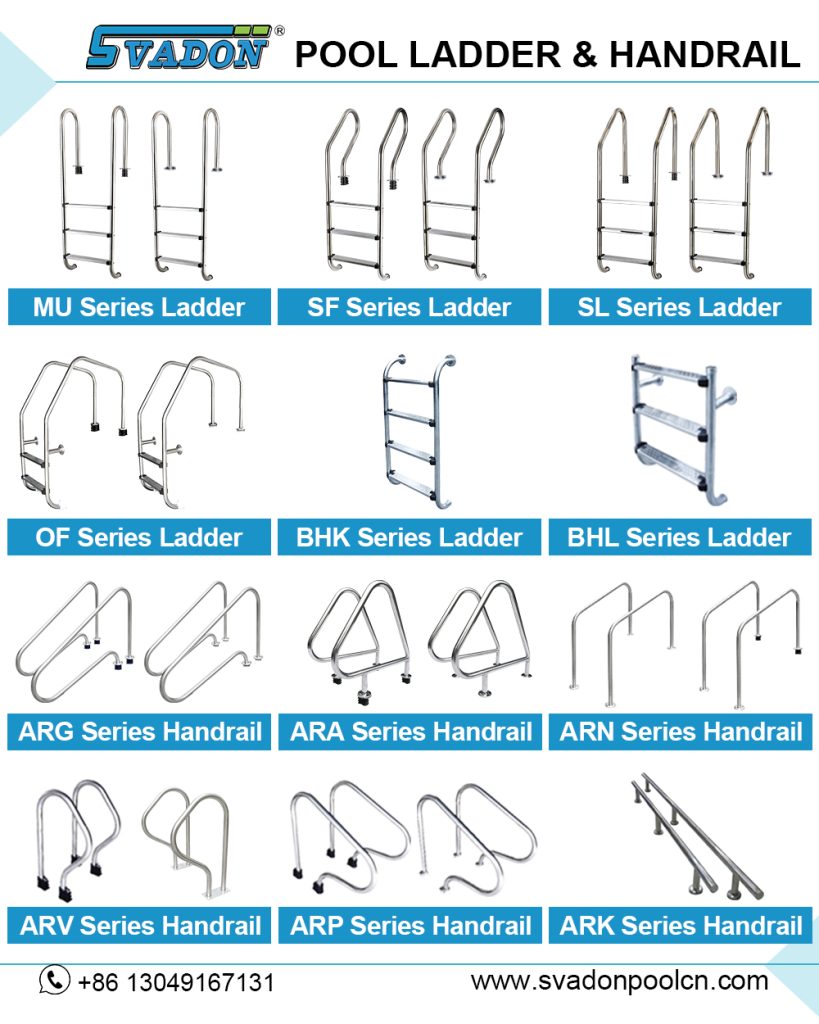
The shimmering turquoise of your inground pool beckons on a hot summer day, promising refreshing relief and endless fun. But before you take the plunge, consider this: how do you enter and exit your aquatic oasis safely and stylishly? The answer, quite simply, lies in choosing the perfect inground pool ladder. A well-chosen ladder is more than just a functional necessity; it's a critical safety feature, a design element, and an investment in years of enjoyable pool ownership. The U.S. swimming pool market, projected to reach $2 billion by 2025, reflects the growing importance of this backyard haven [1]. This guide will navigate you through the essential factors, helping you select the ideal inground pool ladder that meets your specific needs and enhances your poolside experience.
Introduction: Making Your Pool Entry Safe and Stylish
Why the Right Pool Ladder Matters
Choosing the right inground pool ladder affects safety and accessibility, especially for children, older people, and those with mobility issues. A sturdy ladder with well-spaced rungs and handrails reduces slips and falls. Families with young children might prefer ladders with locking gates. Besides safety, the right ladder can enhance your pool's look, adding elegance or modern style. A recent study showed homeowners who chose attractive pool features felt more satisfied with their poolscape [Source needed].
What This Guide Will Cover
This guide will cover all parts of choosing an inground pool ladder. It will explain how to understand your pool's needs. It will also explore different ladder styles, materials, and features. We'll also cover installation and maintenance best practices to ensure your ladder provides years of safe and reliable service. This includes discussing the pros and cons of DIY versus professional installation, along with tips on cleaning and maintaining various ladder materials like stainless steel. We'll even explore case studies of different pool ladder installations to illustrate best practices and common pitfalls.
Section 1: Understanding Your Pool and Deck Setup
Assessing Your In-Ground Pool Type
Your pool type—concrete, vinyl-lined, or fiberglass—affects ladder choice. Vinyl-lined pools need ladders with flanges and gaskets to protect the liner from damage. Concrete pools allow more flexible ladder placement and anchoring. Above-ground pools use lighter ladders and different anchors, like deck-mounted clamps, unlike in-ground concrete pools anchored into the deck. Knowing your pool type helps you pick compatible ladders.
Evaluating Your Pool Deck: The Foundation for Your Ladder
Your pool deck's material and height are key for ladder choice. Concrete decks offer solid anchoring; wooden decks need special hardware. Deck height compared to waterline determines ladder height. Deck layout and landscaping affect ladder placement for safety and access. For example, placing a ladder near a diving board can be dangerous, and bushes shouldn't block access. Measure deck height and plan ladder location carefully, using masking tape to mark spots before deciding.
Section 2: Core Factors for Ladder Selection
Material Matters: Durability and Corrosion Resistance
Stainless steel is the main material for inground pool ladders because it is durable and resists corrosion. The common grades are AISI-304 and AISI-316. AISI-316, called “Marine Grade,” is better due to more molybdenum, which helps resist chlorides in pool chemicals and saltwater. This grade prevents rust stains and lasts longer, especially in coastal areas with salty air. Some makers offer electropolished stainless steel for extra corrosion resistance, good for saltwater pools. Check the manufacturer's warranty for corrosion coverage.
Safety Features: Your Top Priority
Safety is key when choosing a pool ladder. Non-slip steps prevent accidents; look for heavy-duty treads made of stainless steel or textured surfaces for better grip. Solid Step Technology uses solid treads for stable footing and to avoid toes getting caught. Strong handrails add support, especially for children and older people. Wider handrails help users with arthritis or mobility issues. A Consumer Product Safety Commission case study [Source needed] showed non-slip steps reduce pool accidents. Self-closing and locking gates are vital for families with young children to stop unsupervised pool access.
Section 3: Popular Inground Pool Ladder Styles
Standard Stairway Ladders: Classic and Accessible
The standard stairway ladder is a common choice, featuring multiple steps and handrails for comfortable and secure access. These ladders can be customized with various features, such as wider treads, curved handrails, and different finishes to match your pool's aesthetic. The "standard stairway" ladder is a versatile option suitable for most inground pools. Many manufacturers offer configurable options for tread width and handrail style, allowing you to tailor the ladder to the specific needs of your family. For example, a family with older people members might choose wider treads and handrails for added stability.
In-Wall Ladders: Seamless Integration
In-wall ladders offer a sleek, integrated look, as they are built directly into the pool wall. This style provides a clean aesthetic and maximizes swimming space. In-wall ladders are particularly popular for modern pool designs. They are typically constructed from stainless steel and can be recessed into the pool wall during construction, resulting in a minimal footprint. Consider an in-wall ladder with recessed treads for a flush finish, minimizing the risk of swimmers accidentally scraping against the ladder. Some models even feature retractable handrails that disappear into the wall when not in use, further enhancing the clean, unobtrusive design.
Specialty and Integrated Ladder Solutions
Beyond standard and in-wall ladders, there are specialty ladders available, such as those designed for specific pool shapes or those with integrated seating or handrails that extend into the pool. These options cater to specific needs and design preferences. For example, a curved ladder might be ideal for a freeform pool, while a ladder with integrated seating can provide a comfortable resting spot for swimmers. Some manufacturers offer custom-designed ladders to accommodate unique pool shapes and sizes. Ladders with integrated slides or waterfalls are another option for adding a fun and functional element to your pool.
Section 4: Aesthetics and Customization
Beyond Functionality: Matching Your Pool's Style
Aesthetics play a significant role in completing your poolside ambiance. Stainless steel ladders come in various finishes, including polished stainless steel and powder-coated options like Silver Vein, Copper Vein, or Global Grey. A White Hip Tread can add a touch of modern elegance. Choose a finish that complements your pool's overall design and surrounding landscape. Consider a brushed stainless steel finish for a contemporary look, or a powder-coated finish to match your pool's coping or decking. If your pool area has a tropical theme, a copper vein finish can add a warm, inviting touch. Browsing online galleries and manufacturer catalogs can provide inspiration and help you visualize different ladder styles in various pool settings.
Comfort Considerations for All Users
Consider the comfort of all pool users. Wider ladder treads, contoured hand rails, and non-slip surfaces contribute to a more comfortable and enjoyable pool experience, especially for children and older people. Adding handrails with a non-slip grip can make the ladder safer and more comfortable. This is especially helpful for people with limited mobility. Heated handrails are also available, providing added comfort in cooler climates. For pools used primarily by children, consider a ladder with brightly colored treads to improve visibility and enhance safety. Investing in these comfort features can make a noticeable difference in the overall enjoyment of your pool.
Section 5: Installation and Maintenance Essentials
DIY vs. Professional Installation
Some homeowners choose to install the ladder themselves. But professional installation makes sure the ladder is anchored and aligned correctly. It also ensures safety. This is especially important for in-wall ladders, which require precise integration with the pool wall. Residential pool construction accounts for a substantial 60% of the market revenue [2], indicating a strong need for proper installation practices in residential settings. Incorrect installation can void warranties and compromise safety. A professional installer will have the expertise and specialized tools to ensure proper anchoring, preventing the ladder from becoming loose or detached. For example, in-wall ladders require precise measurements and careful placement to avoid leaks and structural issues. Professional installation is often worth the investment for peace of mind and long-term reliability.
Keeping Your Ladder in Top Condition
You must maintain the ladder regularly. This helps the ladder last longer. Clean your stainless steel ladder regularly with mild soap and water to prevent the buildup of algae, stains, and corrosion. Inspect the anchoring system periodically and replace any worn or damaged components. Proper care can significantly extend the life of your ladder and maintain its appearance. Avoid using abrasive cleaners, which can scratch the ladder's surface and compromise its finish. Rinse the ladder thoroughly after each cleaning to remove any soap residue. In areas with hard water, consider using a descaling solution to remove mineral buildup. Regularly lubricating moving parts, such as hinges and handrail mounts, can also help prevent corrosion and ensure smooth operation. A well-maintained ladder not only looks better but also functions more safely and efficiently.
Conclusion: Dive into Smart Ladder Choices
Recap of Key Decision-Making Factors
You should carefully think about your pool type and deck material when choosing the perfect inground pool ladder. You should also consider materials like stainless steel, safety features like non-slip steps and handrails, and how the ladder looks. Anchoring systems, including deck anchors and anchor sockets, are crucial for safety. Understanding the different types of ladders, from standard stairway ladders to in-wall options, allows you to tailor your choice to your specific needs. Remember to factor in the age and abilities of all pool users when making your decision. Prioritizing safety and durability will ensure years of enjoyable and worry-free pool access. Investing in a high-quality ladder is a crucial step in creating a safe and enjoyable pool environment for everyone.
Investing in a Ladder for Years of Enjoyment
A well-chosen inground pool ladder is an investment in both safety and enjoyment. By carefully evaluating your needs and exploring the available options, you can select a ladder that will provide years of reliable service and enhance your poolside experience. A durable, well-maintained ladder not only enhances safety but also adds to the aesthetic appeal of your pool area. Choosing the right ladder can transform your pool from a simple swimming hole into a true backyard oasis. Consider long-term costs and potential maintenance needs when evaluating different ladder options.
Final Thoughts and Where to Find the Perfect Fit
Take time to research trustworthy manufacturers and stores. Compare different models. Focus on safety and durability. With the right information and careful consideration, you can find the perfect inground pool ladder that perfectly complements your pool and provides safe and stylish access for years to come. Consult with pool professionals and read online reviews to gather insights from other pool owners. Visit local pool supply stores to see different ladder models in person and get expert advice. Don’t hesitate to ask questions and seek clarification on any aspect of ladder selection or installation. Making an informed decision will ensure that your pool ladder meets your specific needs and enhances your poolside enjoyment for years to come.
Swimming Pool Statistics and Data Sources
[1] RubyHome (2025) (n.d.). https://www.rubyhome.com/blog/swimming-pool-stats/
[2] P&S Intelligence (2024) (n.d.). https://www.psmarketresearch.com/market-analysis/us-swimming-pool-construction-market-report