

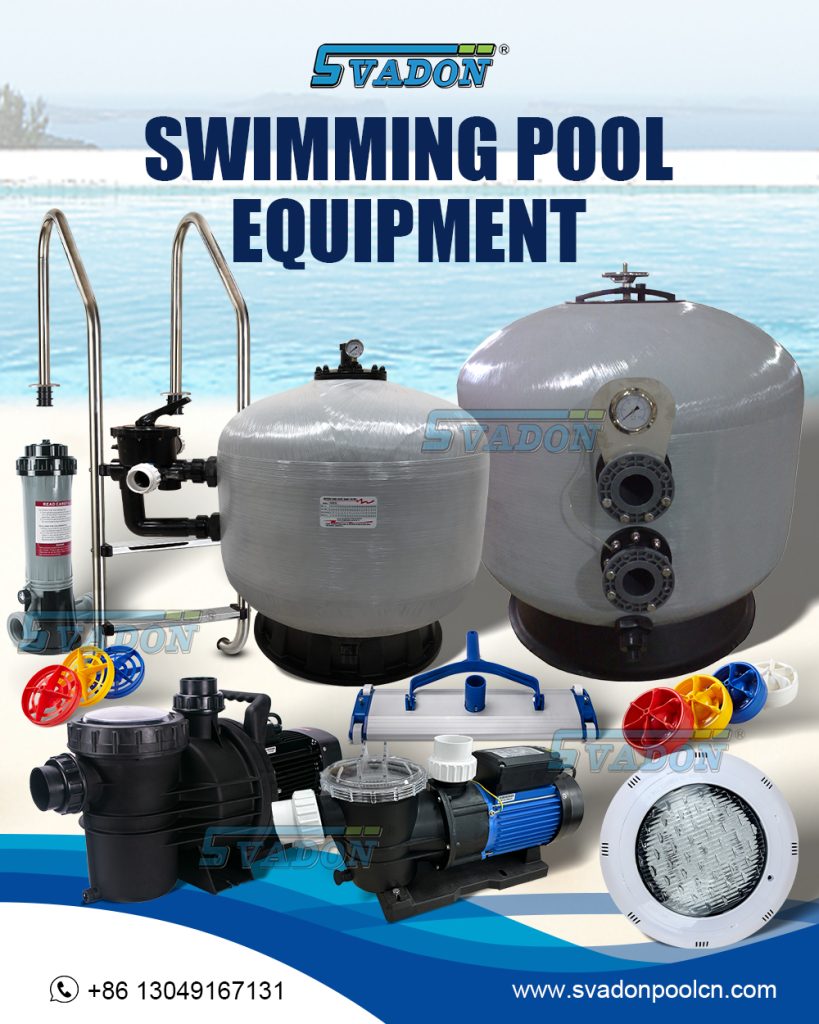
A crystal-clear pool is not just a summer luxury; it's a pristine retreat that requires a meticulous balance of chemistry and technology. To many, pool filtration might seem like a mere technicality, yet it is the cornerstone of maintaining a sparkling and safe aquatic environment.
Pool owners need to understand how filtration systems work. They also need to choose the best filter for their needs. Knowing about pool filtration is essential. This knowledge includes the types of filters you can get. It also covers how to maintain them. It explains how chemical treatments help improve water quality.
Read this guide to understand pool filtration better. Learn about the latest filtration technology. Get expert tips to keep your pool in great shape. Whether you're a seasoned pool owner or a newcomer, this step-by-step breakdown will equip you with the insights needed to ensure your pool remains an inviting oasis year-round.
The Importance of Pool Filtration
Pool filtration is crucial for maintaining clean and safe swimming environments. It works by removing over 99% of unwanted particles and microorganisms, including harmful Cryptosporidium. This process enhances water quality and safety, making swimming a healthier activity.
Effective filtration eliminates suspended particles and dirt, ensuring the clarity of pool water. Clear water improves visibility, reducing the risk of accidents. To choose the right filtration system, consider factors like pool size, usage, and maintenance preferences. This ensures the system can handle the required volume of contaminants efficiently.
You must maintain the system regularly. You also need to keep the water chemistry balanced. This helps the filtration system work well, especially when many people use the pool.
Key Benefits of Pool Filtration:
- Removes debris, bacteria, and viruses
- Improves water clarity and safety
- Enhances swimming enjoyment
Types of Pool Filters:
| Filter Type | Features |
|---|---|
| Sand Pool Filters | Easy maintenance, good for large volumes |
| Cartridge Pool Filters | Fine particle removal, low water waste |
| DE Filters | Superior filtration, best for small debris |
Choosing the right filter and maintaining it regularly will ensure your pool remains clean and inviting all season long.
How Pool Filtration Systems Clean Water
Pool filtration systems are crucial for keeping pool water clean and safe. They remove debris, bacteria, and viruses, providing a pleasant swimming experience.
How They Work:
- Skimmer: The process starts with water entering the skimmer, which catches large debris like leaves.
- Pump: Water is then drawn through the system using a pump.
- Filter: This is the core component, filtering out particles as small as 3 to 50 microns.
- Return Jets: Finally, the cleaned water is pumped back into the pool.
Types of Filters:
- Sand Filters: Capture larger particles by passing water through sand.
- Cartridge Pool Filters: Effective for finer particles, easy to maintain.
- Diatomaceous Earth (DE) Filters: Provide high filtration efficiency.
Choosing the right system depends on factors like pool size, usage, and maintenance preference. Consider investing in small pool pumps, variable speed pool pumps, or specific filtration like cartridge pool filters for inground pools.
Regular maintenance and choosing the right pool water testing kits ensure your system works efficiently. Keep your pool clean, safe, and ready for fun!
Types of Pool Filters
Pool filtration systems play a vital role in keeping your pool water crystal-clear and safe for swimmers. They work by filtering out debris and particles, creating a clean swimming environment. There are several types of pool filters, each with unique methods and capabilities. Sand, cartridge, and Diatomaceous Earth (DE) filters are the most common. Selecting the right filter depends on your pool size, usage, and maintenance preferences. The correct filter ensures optimal water quality, enhancing pool enjoyment and reducing maintenance efforts. Understanding each type's strengths can guide your choice, aligning with your needs and expectations.
Sand Filters: Pros and Cons
Sand filters are popular for their durability and easy maintenance. They clean pool water by passing it through graded sand, trapping particles as small as 20 to 40 microns, making them effective for basic purification. They are cost-effective, especially for small pools, and come in top or side mount models. Regular backwashing is needed, which some may find inconvenient. During heavy use, extra cleaning with filter cleaner may be required due to body oils and skin cells. Using sand filters with variable speed pumps improves water clarity by slowing flow for better filtration and saving energy.
Cartridge Filters: Advantages and Ideal Use
Cartridge filters offer a different approach to pool filtration. They use a pleated fabric to efficiently capture fine particles, ranging from 10 to 15 microns. This design not only enhances water clarity but also boasts high water efficiency. Cartridge filters do not require backwashing, which conserves up to 92% of water compared to other systems. Cleaning them is straightforward; a simple hose rinse is sufficient for maintaining performance. They are ideal for users seeking lower-maintenance options, as they offer long cleaning cycles. It's advised to keep an extra cartridge on hand, allowing for easy swapping during deep cleaning. This keeps the system running all the time. It also keeps the pool very clean.
Diatomaceous Earth Filters: Benefits and Considerations
Diatomaceous Earth (DE) filters stand out for their superior filtration performance. They use DE powder to deliver crystal-clear pool water. These filters are known for maintaining a high flow rate while offering a large cleaning capacity, which makes them highly efficient. However, operating DE filters involves a process called backwashing to clean the filter. Once this is done, the diatomaceous earth powder must be replenished to restore filtration efficacy. Properly maintained, DE filters achieve the best filtration results, keeping pool water free from dirt and debris. Despite their effectiveness, DE filters require regular maintenance and handling of diatomaceous earth. This ongoing upkeep can be a consideration for pool owners evaluating filtration options.
Selecting the Right Filter for Your Pool
Choosing the right pool filtration system is essential for maintaining clean and healthy pool water. Here's a quick guide to help you decide:
- Sand Filters: These use specially graded sand to capture debris between 20-40 microns. They are known for their durability and easy upkeep.
- Cartridge Filters: They utilize pleated fabric cartridges to catch finer particles, usually in the 10-15 micron range. This makes them more efficient than sand filters.
- Ceramic Filters: Offering superior filtration, ceramic filters can trap particles as tiny as 3 microns.
When selecting a filter, consider the specific needs of your pool. Important factors include:
- Durability: Choose materials that won't wear out quickly.
- Water Quality Maintenance: Ensure that the filter can effectively remove particles.
- Efficiency: A well-designed system with proper pipe sizes and equipment levels can optimize performance.
Here’s a simple comparison:
| Filter Type | Particle Size (Microns) | Durability | Maintenance |
|---|---|---|---|
| Sand Filter | 20-40 | High | Easy |
| Cartridge | 10-15 | Moderate | Moderate |
| Ceramic | 3 | High | Moderate |
By considering these options, you can select a filtration system that best suits your pool's unique requirements.
Maintaining Your Pool Filters
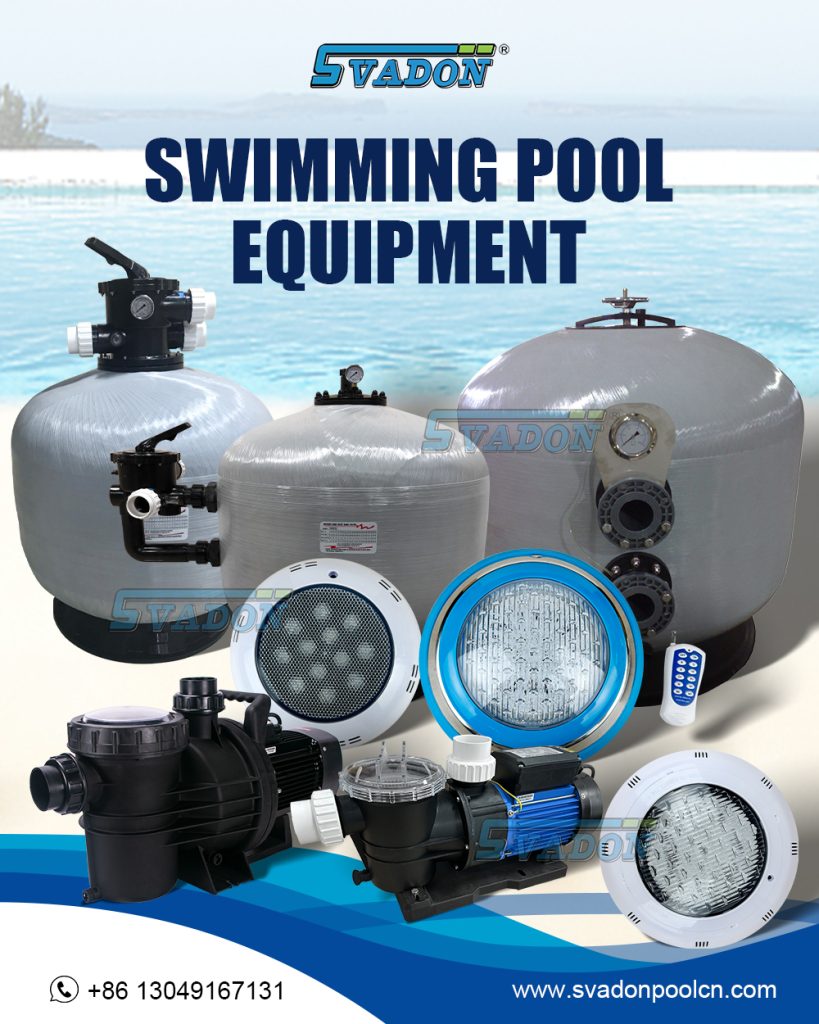
Proper maintenance of your pool filters is vital for crystal-clear water and smooth system function. Each type of filter, whether sand, cartridge, or DE (Diatomaceous Earth), requires different care routines. Regular upkeep not only helps in capturing debris effectively but also extends the life of the filtration system. Consistently removing pool cleaners after use reduces strain on the pump, while daily cleaning of pump and skimmer baskets is crucial. By incorporating these practices, you can ensure that your pool remains clean and your equipment operates efficiently.
Cleaning and Replacement Frequency
Your pool filter's lifespan depends on regular cleaning and timely media replacement. Sand filters need backwashing to clean media that traps 20-40 micron particles and sand should be replaced every 3-5 years. Cartridge filters capture 10-15 micron particles and should be replaced every 1-2 years. DE powder must be replaced after each backwash. Regular skimming, brushing, and vacuuming reduce filter workload and extend cleaning intervals. In cold climates, winterizing protects systems from freeze damage.
Troubleshooting Common Filter Issues
Filter issues are common but usually manageable with routine attention and correct practices. Filtration systems differ in their capacity to trap contaminants, with some filters handling particles as small as 3 microns. Over time, filter media like sand, cartridges, or DE powder lose their effectiveness and need replacement. Neglecting regular care can lead to reduced filtration efficiency. To ensure optimal operation, clean cartridge filters by soaking them overnight in a cleaning solution. Regularly cleaning your pool through skimming, brushing, and vacuuming keeps debris from overloading the filter, further prolonging its efficiency. These steps not only aid in proactive maintenance but also help you avoid unnecessary headaches down the line.
Advancements in Pool Filtration Technology
Modern pool filtration has improved cleaning by removing debris, bacteria, and viruses using various methods. Sand, ceramic, cartridge, and regenerative filters each have benefits: sand filters catch particles as small as 10-20 microns, ceramic filters capture down to 3 microns, and regenerative filters reduce waste and water use for sustainability. Systems include skimmers, pumps, filters, and return jets to cycle and clean water efficiently. Some advanced systems use OXI and ION cells with copper and silver to purify water, combining traditional methods with modern technology for better quality.
Variable Speed Pumps for Energy Efficiency
Variable speed pumps are a game changer in the pool industry, offering efficiency and cost savings. They let pool owners adjust flow rates, cutting energy use. Compared to standard pumps, they run quietly, allowing nighttime use without noise. These pumps run longer, improving water quality and saving energy. Using different flow slots, they can double filtration time, keeping water cleaner and saving energy. With less noise and better filtration, variable speed pumps are popular for efficient pool care.
Eco-Friendly Filtration Systems
Eco-friendly filtration systems are important for managing pools in a sustainable way. Regenerative filters are highlighted as a leading option for their ability to reuse materials, thus conserving resources. Regular care and media replacements are key to maximizing their efficiency. These systems work in a closed-loop, filtering out impurities while minimizing waste. Eco-friendly options, such as sand and regenerative filters, keep pool water clean and reduce environmental impact. Additionally, many systems now include OXI and ION cells that use copper and silver for purifying water. This approach is noted for balancing high health standards with ecological responsibility. Not only do sustainable filtration systems maintain safety, but they also keep your pool looking its best. By choosing eco-friendly solutions, pool owners can enjoy a beautiful, safe, and responsible aquatic environment.
The Role of Chemical Treatments in Filtration
Pool filtration systems play a key role in keeping the water clean and safe. A major part of this is the use of chemical treatments. These chemicals help remove debris, bacteria, and even viruses. The type and concentration of chemicals used can vary between commercial systems.
Key Benefits of Chemical Treatments:
- Debris Removal: Chemicals help in removing even the smallest impurities.
- Bacteria and Virus Elimination: They kill harmful microorganisms, ensuring water is safe for swimmers.
- Clear Water Maintenance: They enhance clarity, keeping the water crystal-clear.
When choosing a pool filtration system, consider the chemical treatment capabilities. This ensures the system meets the specific needs of your pool.
Here is a comparison of common treatments:
| Chemical Treatment | Purpose |
|---|---|
| Chlorine | Disinfects and removes bacteria |
| Bromine | Effective at high temperatures |
| Ozone | Reduces chemical use |
| UV light | Breaks down organic matter |
By understanding these treatments, pool owners can make informed decisions. This helps in managing the pool's specific conditions effectively.
Essential Pool Filtration Components
Pool filtration systems are essential for keeping your pool water clear and clean. They work by removing impurities and contaminants from the water. The primary components include a skimmer, pump, filter, and return jets. Each part has a specific role in maintaining the pool's hygiene and clarity. The pump circulates water through the system, helping to move it through the filter, which catches particles and debris. Once filtered, the water is returned to the pool by the jets. Understanding these components can help pool owners maintain their pool more effectively.
Skimmers, Main Drains, and Return Jets Explained
Skimmers, main drains, and return jets are key features of a well-functioning pool filtration system. They play distinct yet complementary roles in keeping your pool water pristine. Skimmers are positioned at the water's surface to collect debris such as leaves and insects before they sink. This pre-filtration step is crucial in reducing the load on other filtration components.
Main drains are located at the pool's deepest point. They help draw water from the bottom, directing it to the filtration system. This function ensures that water circulation is thorough, covering all areas of the pool. It plays a vital role in maintaining balanced sanitation levels throughout the entire pool.
Return jets are responsible for reintroducing filtered water back into the pool. They are placed carefully to spread water evenly. This keeps water quality steady. This circulation ensures that all sections of the pool benefit from the filtration process, resulting in uniformly clean and clear water. By working in harmony, these components maintain a healthy swimming environment.
Expert Tips for Optimal Pool Filtration
A robust pool filtration system is essential for keeping your water crystal-clear. It removes over 99% of unwanted particles, including harmful microorganisms. Here are some expert tips to ensure your pool filtration system works its best:
- Choose the Right Filter: Sand filters are excellent for durability and low maintenance. They trap debris as small as 20-40 microns. Consider cartridge pool filters for inground pools or sand pool filters based on your needs.
- Optimize Filtration Duration: The optimal filtration time depends on your pool's size, pump capacity, and local conditions. Adjust your timing to match this.
- Use Innovative Technology: The best commercial pool filters reduce chemical use while improving water quality. Look for systems that use advanced technology.
- Maintain Regularly: Regular cleaning and maintenance prolong the life of your filter. Check for clogs or damage.
- Test Water Frequently: Use pool water testing kits to ensure your water quality remains excellent.
By following these tips, you can keep your pool water sparkling and safe for swimming.
For a quick comparison:
| Filter Type | Particle Size Captured | Maintenance |
|---|---|---|
| Sand Filter | 20-40 microns | Easy |
| Cartridge Filter | Varies | Moderate |
Manufacturer Guidance and Trusted Brands
Choosing the right pool filtration equipment is key to water quality. A system includes a skimmer, pump, filter, and return jets working together to keep pools clean. Filter media options like sand, glass, or Pureflow polymer offer flexibility. For above-ground pools up to 20m³, a 60W integrated pump is recommended. Regular maintenance like winterizing and balancing water chemistry ensures system performance. Sustainable options like regenerative filters promote eco-friendly pool care, making management efficient and green.
Spotlight on Pentair and Other Leading Brands
Pentair leads the industry with its advanced pool filtration systems that guarantee water clarity and safety. Known for their effective management of water quality, Pentair products are a trusted choice for many pool owners. Sand filters are a common feature in both commercial and residential pools. They efficiently filter out particles as small as 10-20 microns, ensuring clear swimming water. Another option for superior filtration is ceramic filters. These can capture impurities down to 3 microns, setting a high standard for water cleanliness.
Top mount filters, like Pentair's Superpool, are recognized for their performance and durability. Their smooth fiberglass finish enhances their reliability, making them a favored choice among pool owners. Reliable pool filtration systems are made of key components such as a skimmer, pump, filter, and return jets. These work in harmony to maintain a clean and safe swimming environment. By choosing trusted brands like Pentair, pool owners can enjoy peace of mind, knowing their pool water is well cared for.
Upgrading Your Pool Filtration System
Upgrading your pool filtration system can make a big difference in water quality and maintenance. Modern filters like those from Fluidra use regenerative technology with perlite, saving both energy and water.
Cartridge filters are another smart choice. They trap particles as small as 10-15 microns without needing a backwash, which helps conserve water.
Here's what you need for a proper filtration setup:
Each component plays a key role in keeping the pool water clear and safe by removing debris, bacteria, and viruses.
Regular maintenance, such as emptying the pump and skimmer baskets, is essential. It helps prevent blockages that can strain the pump and reduce efficiency.
For best results, aim for effective filtration that removes over 99% of unwanted particles. This not only enhances water quality but also meets high health standards. Upgrading your system reaps long-term benefits, including cost savings and a cleaner swimming environment.